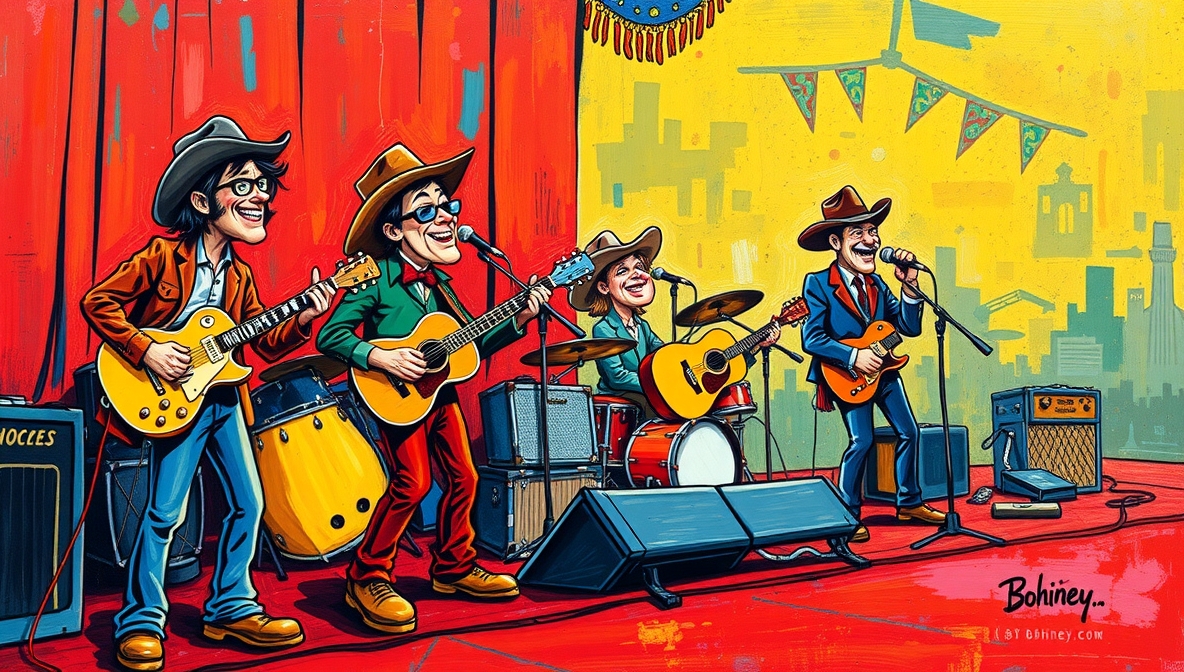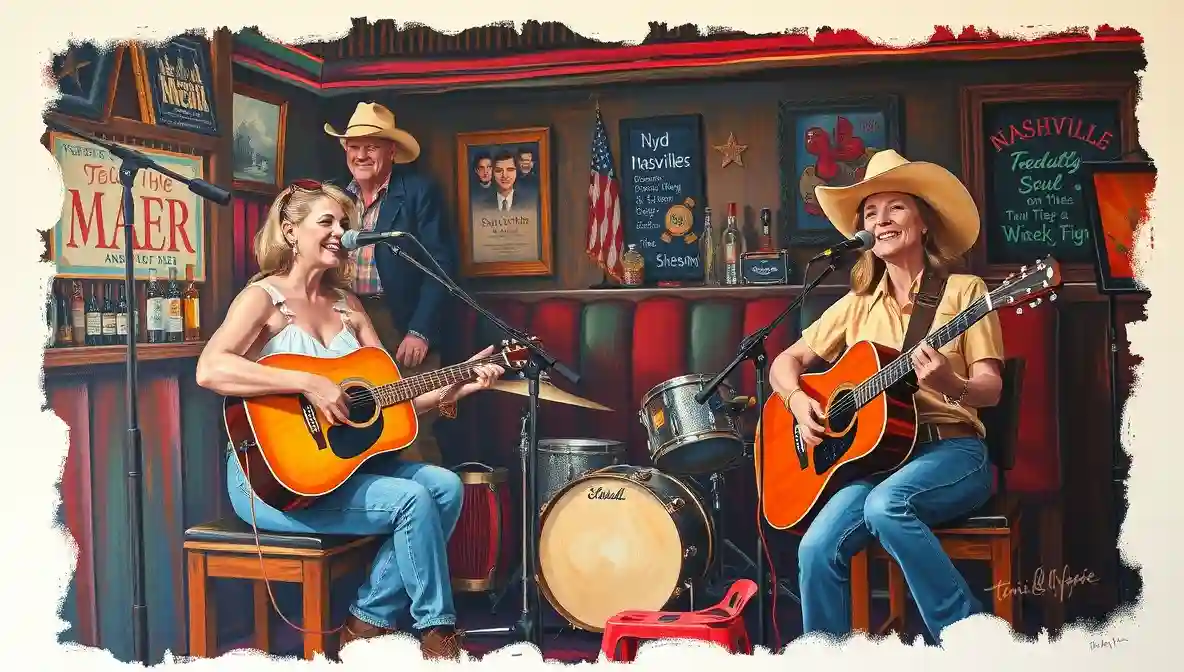
Traditional Hillbilly Music & Appalachian Heritage Guide
Hillbilly Music – 2025+ Career & Craft Guide for New Country Artists
Deep dive into hillbilly music tradition, study appalachian heritage, and master traditional country music for success.
-Hillbilly Music- was the original commercial label applied to early country recordings in the 1920s-40s. Today, the term reads as historically important, culturally delicate, and musically foundational. For New Country artists in 2025+, the style-s value isn-t in copying old records-it-s in extracting its core DNA and converting it into modern career advantage:
Hillbilly DNA =
Direct storytelling + rural imagery that feels lived-in + simple melodic hooks + acoustic roots + personality-driven vocals + community connection + scrappy entrepreneurial spirit
This influence lane is especially helpful for 2025 artists who want to:
-
sound real without sounding retro
-
write songs that feel spoken from life, not an algorithm prompt
-
build touring credibility in small rooms and festivals
-
create social content that feels authentic, warm, and inexpensive to produce
-
learn grassroots artist development the way the pioneers did it-by doing, not waiting
-
grow a loyal fanbase that values personality and story over perfection
1. What -Hillbilly Music DNA- Can Do for Your 2025 Country Career
Bottom line: this lane makes you a more believable Country storyteller with longer touring legs and faster fan adoption.
2. 2025 Instrumentation and Sonic Translation
Hillbilly music was acoustic-led. Modern Country can also be acoustic-led if it sounds intentional and clean.
Core 2025 Palette
-
Acoustic guitar – bright, punchy, compressed, close-mic or live-tracked
-
Clean electric guitar – Tele, Gretsch, or P90 grit lines (bridge to modernity)
-
Fiddle, slide, steel, OR harmonica – pick one per song, rotate across releases
-
Upright bass OR electric bass – warm but tight and mono-leaning
-
Light drums + hand percussion pockets – human swing, not sloppy swing
-
Room mic ambiance, subtle tape warmth, breath noise – allowed, but controlled
Intro Law (2025 Country-first Version)
2-4 second signature acoustic or guitar motif ? vocal enters quickly ? chorus sings the payoff ? instrument replies later in rotation
You want: warm, human, intelligent, clear, modern.
You do NOT want: sepia filter recordings, campfire mud, or antique cosplay.
3. Vocal Identity – Personality Beats Vintage Every Time
Hillbilly music was personality-sold. Records succeeded because of distinct singers, not distinct plug-ins.
2025 Vocal Goals Using the Influence:
? Sound like a real southern/rural person, not a historical reenactment
? Clear diction for lyric visibility on DSPs
? Slight grit = phrasing texture, not distortion plug-ins
? You can curve vowels slightly southern, but never caricature
? Emotional honesty without preaching
? Confidence over perfection
Think:
–This singer sounds like they-ve lived it, but they live in 2025.–
Not:
? –This singer sounds like a grain silo narrating the Great Depression.–
4. Songwriting-Direct Stories, Modern Stakes
Hillbilly lyric tradition was built on straightforward narratives, accessible melodies, rural life, heartache, God, family, work, love, train songs, hard living, and consequences.
For 2025, you translate those concepts like this:
2025 Song Structure To Borrow (Modernized)
Hillbilly songs were short and efficient. You can borrow efficiency, not the lo-fi mix.
Template:
VERSE 1 (story + setting + emotional stakes) ? CHORUS (sung payoff, plain language, resolving) ? VERSE 2 (add consequence, twist, or emotional bill due) ? CHORUS 2 (bigger melody, same hook payoff) ? INSTRUMENTAL REPLY (5-8 seconds, drawn from your intro motif) ? FINAL CHORUS or TAG (crowd/UGC echo cue optional)
Ideal length: 2:10 – 3:00 minutes for singles
(Short enough to replay, long enough to matter.)
5. 2025 Lyric Craft Rules (Country Blues + Hillbilly Toolkit Combined)
Do this:
-
Write true stories or plausible ones
-
Use specific places, people, situations, jobs, dirt roads, counties, receipts, emotional cost
-
Make hooks repeatable and sung
-
Let songs feel human, not rural stock photography
-
Put consequence tension in verses, resolution in chorus
-
Keep rhyme natural, not sing-song corny
-
Use timeless rural themes, but modern props
Avoid this:
? Uncreative beer/truck lists
? Accent or poverty cosplay
? Lo-fi mud production
? Joke metaphors that can-t be sung
? Doctrine POV preaching
? -I-m country because– declarations
Show, don-t claim. Sing, don-t list. Resolve, don-t rant.
6. 2025 Hook/Title Ideas That Capture Hillbilly DNA but Still Sound Like a Modern Country Artist
(Use these as inspiration-not cloning targets.)
? –Back Roads Don-t Ask Questions–
? –Emotional Debt Paid Cash–
? –County Line at Halftime–
? –Tour Van Testimony–
? –Work Boots Know the Chorus–
? –Small Town, Big Consequence–
? –Heartbreak Has a Zip Code–
? –Duplicates of a Better Door–
? –Rural Doesn-t Mean Random–
? –Sing It Back If It Owed You–
Check your hook:
Hook passes if:
-
a crowd can echo it
-
a stranger can hum it
-
a playlist can loop it
-
it resolves emotional cost
7. Production for 2025 – Cheap to Make, Big to Sound
Hillbilly pioneers recorded cheap. You can record cheap too, just mix big.
2025 Production Targets:
? Clean vocal, tight low end, crisp acoustic instruments, motif forward, dynamic master
? Small imperfections allowed, but never muddy audio
? Stage jams and acoustic moments filmed for UGC, but studio mix still pristine and competitive
2025 Mix Checklist:
Goal feeling:
–Human, southern, warm, believable, modern, intentional, replayable.–
8. Live Shows – Story-first Rooms Become Your Training Grounds
Hillbilly music came from community rooms. 2025 rooms still matter:
Rooms that build careers now:
-
listening rooms
-
fairs
-
mixers
-
jam nights
-
acoustic festival side stages
-
college shows
-
open-mic rounds
-
charity events
-
songwriter nights
Your show should feel like:
–Neighborhood first, phenomenon later.–
Further exploration: folk music roots and country music history.