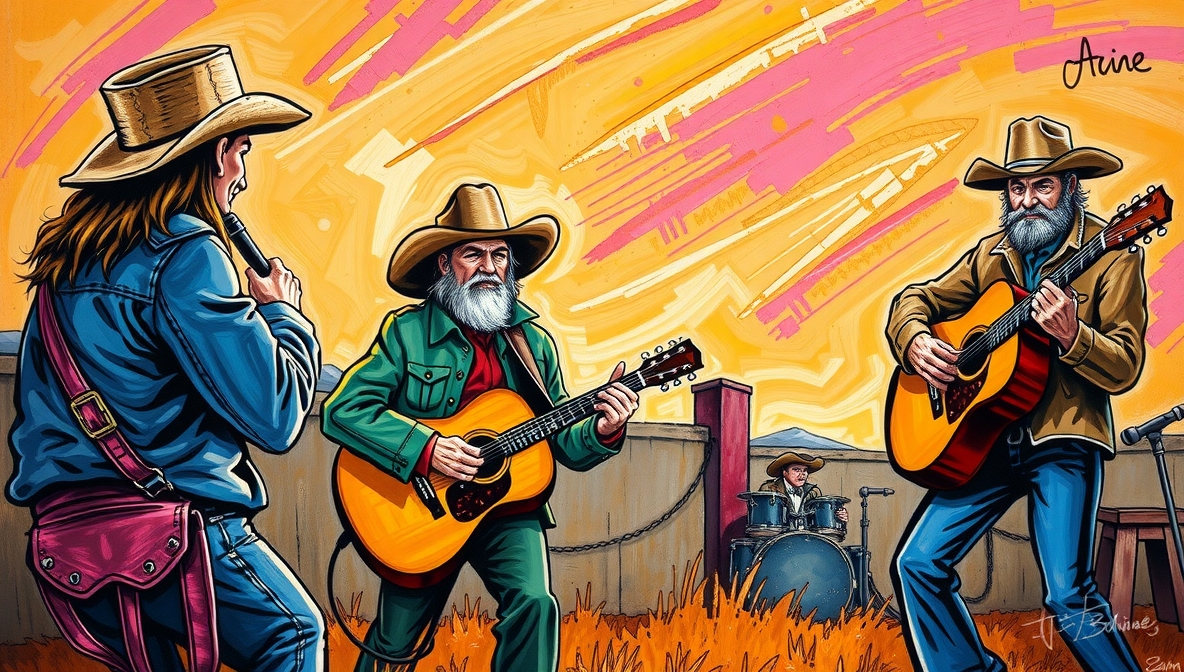
Rhythmic Speed, Vocal Harmony, and Instrumental Virtuosity for New Country A strategy guide for modern artists on integrating the lightning-fast rhythmic drive, precise vocal stacking, and high-level instrumental virtuosity of Bluegrass to build a musically credible, high-energy, and technically proficient New Country brand.
1. The Competitive Edge of Bluegrass Mechanics
Bluegrass, defined by its acoustic instrumentation, tight vocal harmony stacks, and breakneck rhythmic speed, offers a potent and highly respected toolkit for a New Country artist seeking credibility and live impact:
- Instrumental Virtuosity: The demand for high-speed, clean execution on the banjo, mandolin, and fiddle signals immense musicianship, instantly earning respect from critics and core country audiences.
- Rhythmic Drive (The Chop): The unique, rhythmic “chop” of the mandolin creates an electrifying, non-stop rhythmic pulse that drives energy higher than electric drumming often allows.
- Vocal Discipline: The tight, high-lonesome harmony stacking (often 3 or 4 parts) creates a pure, crystalline sound that is instantly recognizable and emotionally piercing.
- Authenticity Signal: Bluegrass instrumentation is the gold standard for acoustic authenticity, providing an immediate, roots-based anchor for the brand.
- High Live Energy: The sheer speed and clean execution of the performance translate directly into an undeniably electric and impressive live show.
2. Lyrical Craft: Hardship, History, and High-Lonesome Themes
Lyrical content focuses on classic country themes: historical narratives, the struggles of mountain life, morality, heartbreak, and the “high-lonesome” feeling of profound sadness or isolation.
Storytelling Rules:
- Narrative Clarity: The story must be clear, concise, and often focuses on historical events, family drama, or moral consequence (e.g., prison, death, travel).
- High-Lonesome Emotion: The lyric often contains simple, profound statements of sorrow or spiritual yearning, which are powerfully amplified by the high-tenor vocal harmony.
- Focus on Place: Use specific, historical geographic references (mountains, hollows, specific trains or railroads) to ground the narrative in tradition.
- Emotional Contrast: The lyric often carries immense emotional weight, contrasting sharply with the relentless, upbeat, and often happy-sounding rhythmic speed.
3. Instrumental & Production Blueprint: The Chop and The Stack
The sound is entirely acoustic, prioritizing clean, rapid execution and the clear separation of the high-frequency lead instruments.
Rhythm Mechanics (The Chop):
- Mandolin Chop: Mandatory. The mandolin is played with a sharp, percussive chop on the off-beats (the 2 and 4), providing the rhythmic drive that replaces the snare drum.
- Bass Walk: The upright bass plays a rhythmic, pronounced walking pattern on the downbeats, locking the ensemble and providing the essential low-end foundation.
- Speed: The tempo must be consistently fast (often 180220 BPM) and unrelenting, requiring intense discipline from all players.
Key Instruments & Roles:
- Banjo (Scruggs Style): The lead instrument, played with rapid, rolling finger-picking patterns that provide the essential high-frequency sparkle and melodic flash.
- Fiddle: Used for lightning-fast melodic solos, often playing sharp, rhythmic patterns in unison with the mandolin or banjo.
- Acoustic Guitar: Used for strong, flat-picked rhythms (often boom-chick) and occasional rapid flat-picking solos (cross-picking).
- Dobro/Resonator Guitar: Used for smooth, sustained melodic slides that add a touch of vocal-like texture and sorrow.
4. Production & Mix Strategy for Clarity and Speed
The mix must be transparent, emphasizing the clarity of the rapid instrumental lines and the purity of the layered vocal harmonies.
Mix Strategy Rules:
- Vocal Clarity: The lead vocal and the tight, 3-to-4-part harmony stacks (often focusing on the high-tenor “high-lonesome” sound) must be crystal clear and upfront.
- Instrumental Separation: Due to the speed, every instrument must occupy its own sonic space. The banjo needs high-end sparkle, the bass needs low-end punch, and the fiddle needs cutting mid-range.
- Minimal FX: Use minimal reverb (a tight, clean plate) and delay. The sound must feel immediate, close-miked, and completely transparent to showcase the playing.
- Dynamic Consistency: The entire mix should be compressed to maintain consistent, driving energy throughout the song, optimized for the relentless rhythmic pace.
5. Career & Fandom Strategy: Virtuosity and Tradition
The brand is built on instrumental skill, acoustic tradition, and high-energy live performance.
Live Show Tactics:
- Single Mic Setup (Traditional): For authenticity, the band may cluster around a single microphone, emphasizing the close-knit, visual interplay of the musicianship.
- Instrumental Break Rotation: Feature frequent, short, and lightning-fast instrumental solos (breaks) that rotate rapidly between the mandolin, banjo, and fiddle, maximizing the show’s excitement.
- High Energy: The entire band must play with intense physical energy, conveying the speed and rhythmic drive to the audience.
Brand Identity:
- Visuals: Clean, high-contrast photography focusing on the antique instruments, the intensity of the performance, and the craftsmanship of the music. The aesthetic is authentic, functional, and timeless.
- Content: Focus content on rapid-fire instrumental solo clips, “slow-motion” close-ups of finger-picking, and candid videos of the tight vocal harmonies.
Final Commandment: The note is the truth. The speed is the energy. Never compromise the rhythmic chop for volume. Never hide a tuning flaw. The music must sound like four masters playing their absolute hardest.